
• Skip to main content
  • Skip to primary sidebar
Transfusion News
  • About Us
  • Topics
    • Adverse Events (non-infectious)
    • Blood Donation
    • Cell Therapy
    • Coagulation & Plasma Transfusion
    • Platelet Transfusion
    • Policy and Guidelines
    • Quality Control and Regulatory
    • RBC Transfusion
    • Serology/Genotyping
    • Special Transfusion Situations
    • Transfusion Transmitted Infections
  • Continuing Education
  • Archives
  • Podcasts
  • Question of the Day
  • Search
  • Subscribe to Email Alerts
  • Follow us on
  • Search
  • Subscribe to Email Alerts

Recombinant Thrombomodulin for Treatment of Transplant-Associated Thrombotic Microangiopathy

April 7, 2016

Blood

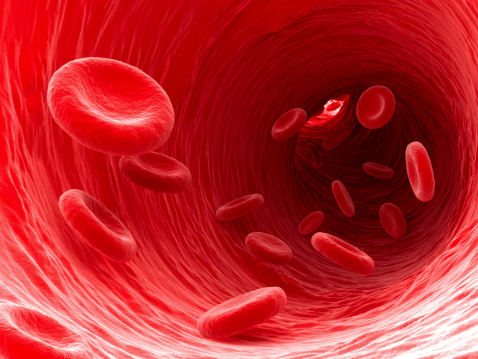
Thrombotic microangiopathy (TMA) encompasses several overlapping clinical syndromes with different etiologies, based on a common pathologic lesion; TMA symptoms include but are not limited to consumptive thrombocytopenia with purpuric capillary bleeding, microangiopathic hemolytic anemia (MAHA), and microvascular thrombosis.

Hematopoietic stem cell transplant associated (TA)-TMA has an exceedingly high mortality rate with limited therapeutic options.  In a new study published in TRANSFUSION, Fujiwara and colleagues retrospectively evaluated 254 hematopoietic stem cell transplant patients for development of TA-TMA and subsequently treatment and clinical course.  Among the 16 patients with TA-TMA, 9 were initially treated with recombinant thrombomodulin and 7 were treated with standard first-line treatment.  While 7 of 9 patients (77.8%) treated with recombinant thrombomodulin recovered from TA-TMA without complications, 0 of the 7 patients (0%) with standard treatment recovered.  Further research is needed, but recombinant thrombomodulin may provide assistance in treatment of TA-TMA.


Reference

Fujiwara, Y. Maeda, Y. Sando et al. Treatment of thrombotic microangiopathy after hematopoietic stem cell transplantation with recombinant human soluble thrombomodulin. Transfusion 2016 [Epub ahead of print] doi: 10.1111/trf.13437.


TRF_CMETransfusion offers CME credit for this study! Log on at www.wileyhealthlearning.com/trf.

Filed Under

  • CME
  • News
  • Special Transfusion Situations

Recommended

  • Hospitalized COVID-19 Patients with Early Disease and Preexisting Conditions May Benefit from Convalescent Plasma

  • Larger Trial Needed to Confirm Restrictive versus Liberal Blood Transfusion Policies for Acute Upper Gastrointestinal Bleeding

  • Increased Mortality and Blood Product Use in Trauma Patients with Hypothermia

Show Comments

Comments on this article are closed.

Get the latest news. Subscribe to our mailing list. Sign Up

Primary Sidebar

Latest News

  • Cryopreserved vs. Standard Platelets for Surgical Bleeding

  • Phosphatidylserine and Phosphatidylethanolamine Levels on RBCs Important for Transfusion Outcomes

  • Blood Donation and Improved Cardiometabolic Health

  • Mitochondrial DNA Acts as a “First Hit” for Antibody-Mediated TRALI

    Question of the Day

    Copyright © 2025 John Wiley & Sons, Inc. All Rights Reserved.
    Privacy Policy

    Association for the Advancement of Blood and Biotherapies Wiley