
• Skip to main content
  • Skip to primary sidebar
Transfusion News
  • About Us
  • Topics
    • Adverse Events (non-infectious)
    • Blood Donation
    • Cell Therapy
    • Coagulation & Plasma Transfusion
    • Platelet Transfusion
    • Policy and Guidelines
    • Quality Control and Regulatory
    • RBC Transfusion
    • Serology/Genotyping
    • Special Transfusion Situations
    • Transfusion Transmitted Infections
  • Continuing Education
  • Archives
  • Podcasts
  • Question of the Day
  • Search
  • Subscribe to Email Alerts
  • Follow us on
  • Search
  • Subscribe to Email Alerts

Locally Transmitted Malaria in the United States

October 15, 2025

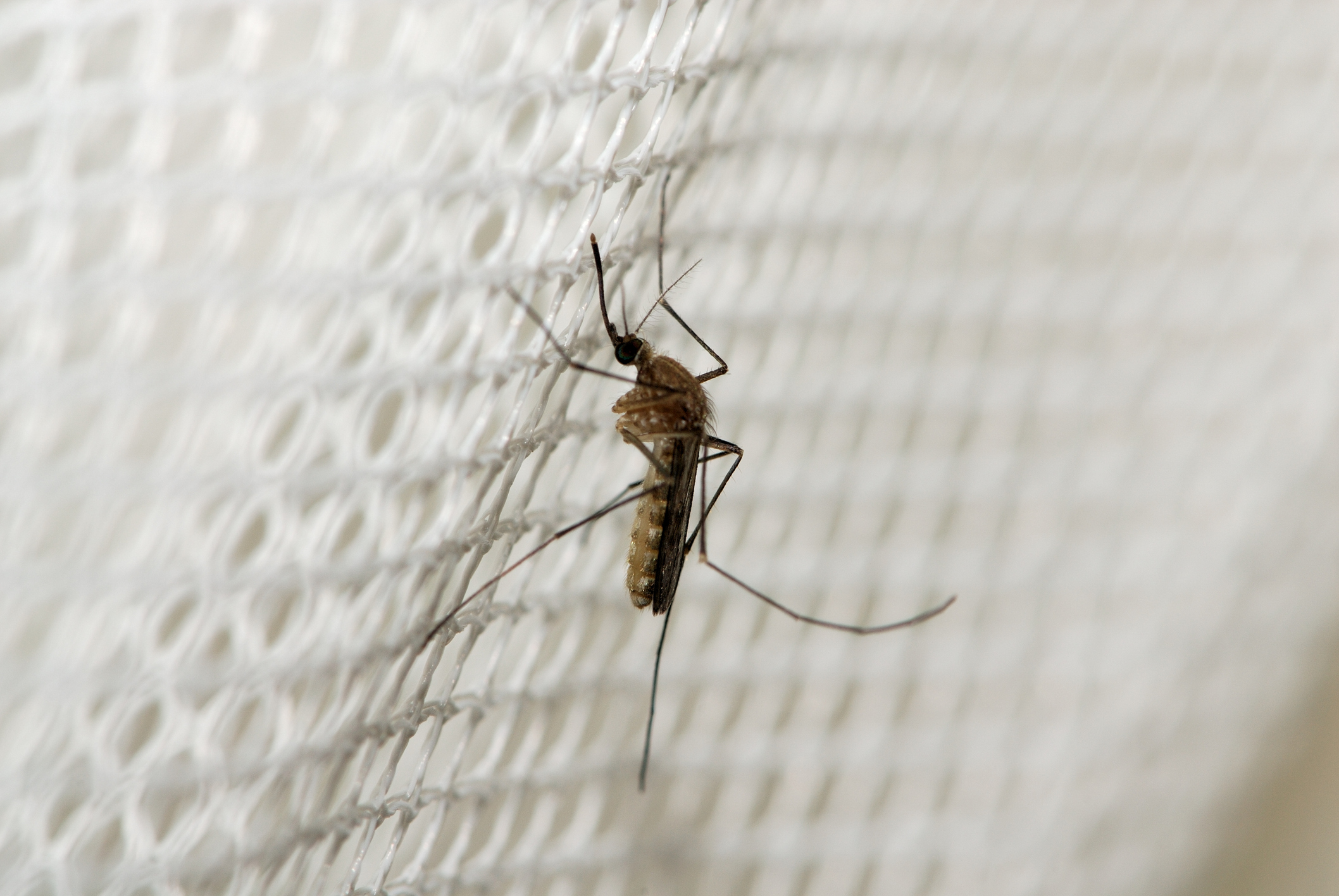
Currently, half of the world’s population is at risk for malaria. Although malaria was endemic across the southern region of the US before WWII, the disease was eliminated in the early 1950s. However, multiple species of competent Anopheles mosquitoes still remain with the potential for local transmission. In 2023, 2200 cases of imported malaria were reported in the US, and 10 patients in four states (Florida, Texas, Arkansas, and Maryland) acquired malaria from local transmission as they had not traveled outside the country in over two years nor received a blood transfusion. Genetic analysis of the Plasmodium parasites found that all seven patients in Florida were infected with a similar P. vivax strain from Central or South America, but the other three patients had unique Plasmodium strains. The two patients in Texas and Arkansas had two other genetically distinct P. vivax strains from Central or South America, but the patient in Maryland had a strain of P. falciparum from Africa. All four states captured Anopheles mosquitoes from nearby breeding sites, and P. vivax DNA was detected in three mosquitoes from two sites in Florida. Timely mosquito control and a rapid public health response kept the outbreaks under control, and no other locally acquired cases were reported in 2023. The medical community must remain vigilant to prevent malaria outbreaks in the US and ensure transfusion-transmission of malaria does not occur.

Reference:

DeVita TN, Morrison AM, Stanek D, Drennon M, et al. Public Health Response to the First Locally Acquired Malaria Outbreaks in the US in 20 Years. JAMA Netw Open. 2025 Oct 1;8(10):e2535719. doi: 10.1001/jamanetworkopen.2025.35719. PMID: 41051775; PMCID: PMC12501801.

Filed Under

  • News
  • Transfusion Transmitted Infections

Recommended

  • New Criteria for Transfusion-Associated Circulatory Overload (TACO)

  • Current Evidence Suggests that Non-invasive Procedures are Best to Treat Fetal and Neonatal Alloimmune Thrombocytopenia

  • Screening for Babesia microti Decreases the Risk of Transfusion-Transmitted Infections

Show Comments

Comments on this article are closed.

Get the latest news. Subscribe to our mailing list. Sign Up

Primary Sidebar

Latest News

  • Tranexamic Acid for Patients with Hematological Disorders

  • Interventions to Prevent Vasovagal Reactions among Blood Donors

  • Nipocalimab for Severe Hemolytic Disease of the Fetus and Newborn

  • Clinical Guidelines for Anemia and Chronic Kidney Disease

    Question of the Day

    Copyright © 2026 John Wiley & Sons, Inc. All Rights Reserved.
    Privacy Policy

    Association for the Advancement of Blood and Biotherapies Wiley