
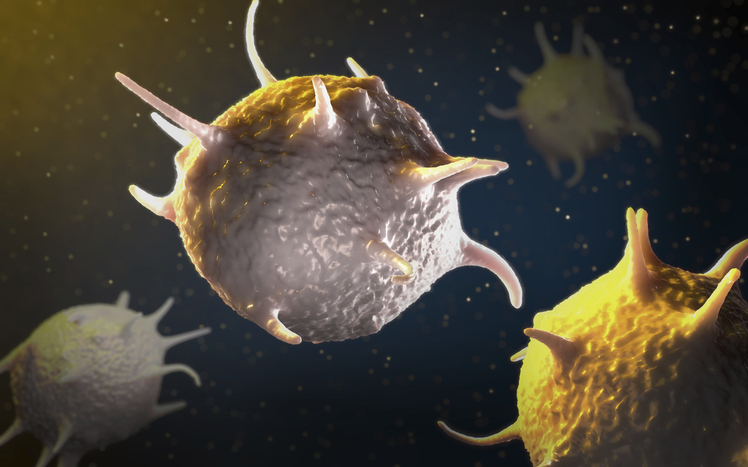
Platelet transfusions are critical to many patients such as those with thrombocytopenia, bleeding patients, and patients at risk of bleeding. To better understand donor, storage, and processing factors associated with platelet transfusion outcomes, researchers retrospectively analyzed data from 21 medical centers in Northern California and identified 2,808 adult patients (median age, 52 years; 37% female) who received 8,207 units of apheresis-derived platelets between June 2020 and March 2022 for which SARS-CoV-2 serology data were available. Transfused platelets were stored a median of 4 days, 17% were irradiated, and over half were pathogen reduced (PR) and/or stored in platelet additive solution (PAS). Based on multivariable logistic regression, donor characteristics associated with increased platelet increments included higher body mass index (BMI), high levels of SARS-CoV-2 anti-N antibodies, and a higher concentration of platelets in the unit. Likewise, higher BMI and SARS-CoV-2 anti-N antibodies were associated with greater odds of receiving an RBC transfusion within 24 hours after a platelet transfusion event. Platelet processing and storage also affected platelet count increments and the need for an RBC transfusion. PR, storage in PAS, and platelets stored for 5-7 days all decreased platelet count increments >20 X 109/L, and PR and irradiation increased the odds of an RBC transfusion within 24 hours. Further research utilizing other vein-to-vein databases are needed to confirm these results.
References:
- Relke N, Cook RJ, Arnold DM. Vein-to-vein data: what predicts platelet response? Blood Adv. 2026 Apr 28;10(8):2646-2647. doi:10.1182/bloodadvances.2025019441. PMID: 41990200; PMCID: PMC13100275.
- Roubinian NH, Plimier C, Thomas KA, Spencer BR, et al. Associations of blood donor and product characteristics with platelet transfusion outcomes. Blood Adv. 2026 Apr 28;10(8):2582-2591. doi: 10.1182/bloodadvances.2025018841. PMID: 41854282; PMCID: PMC13094421.


Leave a Reply