
• Skip to main content
  • Skip to primary sidebar
Transfusion News
  • About Us
  • Topics
    • Adverse Events (non-infectious)
    • Blood Donation
    • Cell Therapy
    • Coagulation & Plasma Transfusion
    • Platelet Transfusion
    • Policy and Guidelines
    • Quality Control and Regulatory
    • RBC Transfusion
    • Serology/Genotyping
    • Special Transfusion Situations
    • Transfusion Transmitted Infections
  • Continuing Education
  • Archives
  • Podcasts
  • Question of the Day
  • Search
  • Subscribe to Email Alerts
  • Follow us on
  • Search
  • Subscribe to Email Alerts

CAR-T Cell Cancer Therapies Hold Promise

June 22, 2016

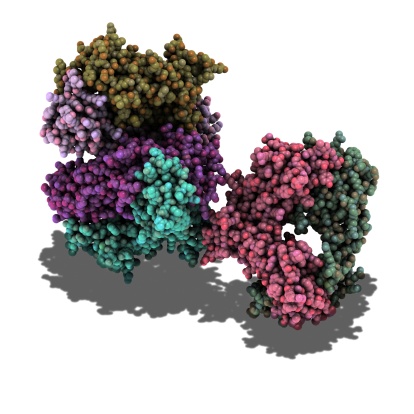
T cell receptor, molecular model

Chimeric antigen receptor (CAR)-T cell therapy harnesses the power of the patient’s own immune system to combat cancer. In theory, CAR-T cell therapy is simple; extract the patient’s own T-cells, modify them with a viral vector to express an artificial chimeric receptor specific for a cancer antigen, and re-infuse the cells back into the patient.  Many steps of the process, however, including apheresis collection of the lymphocytes and the selection of the necessary T-cells, still need refining, and the transfusion medicine community will be needed to provide helpful insights for improving CAR-T therapy.  From 1991 to 2014, CAR-T therapies were used to treat 119 patients with B-cell malignancies; 73% of these patients responded well to the treatment.  The most serious side effect of the treatment, cytokine release syndrome, is characterized by high cytokine levels leading to high fevers and hypotension in addition to multiorgan failure.  With future improvements, CAR-T cell therapy holds promise to become the next successful weapon in cancer treatment.

Reference:

 

  1. Fesnak A, Lin C, Siegel DL, Maus MV. CAR-T Cell Therapies From the Transfusion Medicine Perspective. Transfus Med Rev 2016;30: 139-45.

Filed Under

  • Cell Therapy
  • News

Recommended

  • Updated Transfusion Guidelines for High-Risk Surgery Patients

  • Transfusion Important for Treatment of Warm Autoimmune Hemolytic Anemia

  • Time Constraints Deter Blood Donors

Show Comments

Comments on this article are closed.

Get the latest news. Subscribe to our mailing list. Sign Up

Primary Sidebar

Latest News

  • Oropouche Virus RNA Detected in Blood Donors in Brazil

  • Intravenous Iron More Effective than Oral to Treat Anemia in Postpartum Women

  • Prehospital Whole Blood is Not Superior to Blood Components for Trauma Patients

  • Running Ultra-Long Distances Induces Inflammatory and Oxidative Stress Changes in RBCs

    Question of the Day

    Copyright © 2026 John Wiley & Sons, Inc. All Rights Reserved.
    Privacy Policy

    Association for the Advancement of Blood and Biotherapies Wiley