
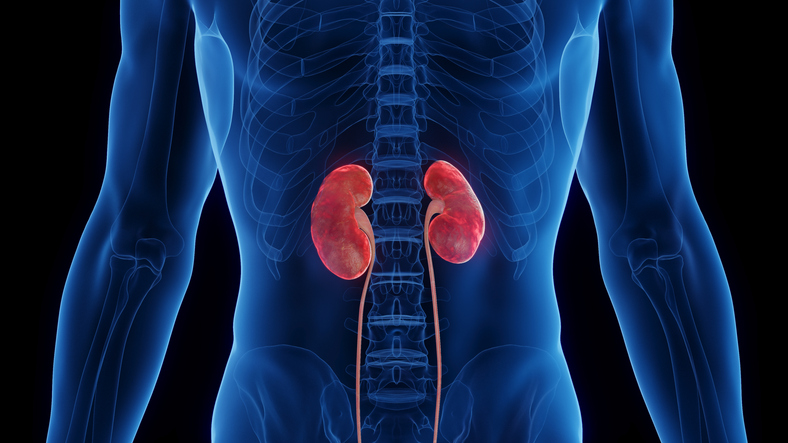
The Kidney Disease: Improving Global Outcomes (KDIGO) committee has updated their 2012 guidelines for the management of anemia in patients with chronic kidney disease (CKD). Guidelines have been updated for diagnosing anemia and the subsequent use of erythropoiesis-stimulating agents (ESAs), hypoxia-inducible factor-prolyl hydroxylase inhibitors (HIF-PHIs), iron supplements, and RBC transfusions for patients with CKD with emphasis on a more personalized approach to care. Specifically, the guideline recommends that patients with CKD be evaluated for anemia and iron deficiency at referral, when anemia symptoms present, and annually to every three months based on the glomerular filtration rate category (G) of CKD. In addition, the guideline now suggests intravenous (i.v.) iron supplementation instead of oral for patients with G5 CKD on hemodialysis. For CKD patients not on hemodialysis, they suggest a personalized approach for i.v. or oral iron based on the patient’s preferences, the degree of anemia, availability, cost, and tolerability. The guideline suggests a cautious approach to ESAs with their increased risk of cardiovascular events but recommends ESAs over HIF-PHIs due to limited long-term data. Furthermore, the guideline recommends that RBC transfusions be used only when essential to manage severe or refractory anemia when other treatments have failed or when a rapid correction of anemia is needed. Further studies are needed to understand the best practices to treat anemia, especially those with CKD.
Reference:

