
• Skip to main content
  • Skip to primary sidebar
Transfusion News
  • About Us
  • Topics
    • Adverse Events (non-infectious)
    • Blood Donation
    • Cell Therapy
    • Coagulation & Plasma Transfusion
    • Platelet Transfusion
    • Policy and Guidelines
    • Quality Control and Regulatory
    • RBC Transfusion
    • Serology/Genotyping
    • Special Transfusion Situations
    • Transfusion Transmitted Infections
  • Continuing Education
  • Archives
  • Podcasts
  • Question of the Day
  • Search
  • Subscribe to Email Alerts
  • Follow us on
  • Search
  • Subscribe to Email Alerts

Intravenous Iron More Effective than Oral to Treat Anemia in Postpartum Women

April 1, 2026


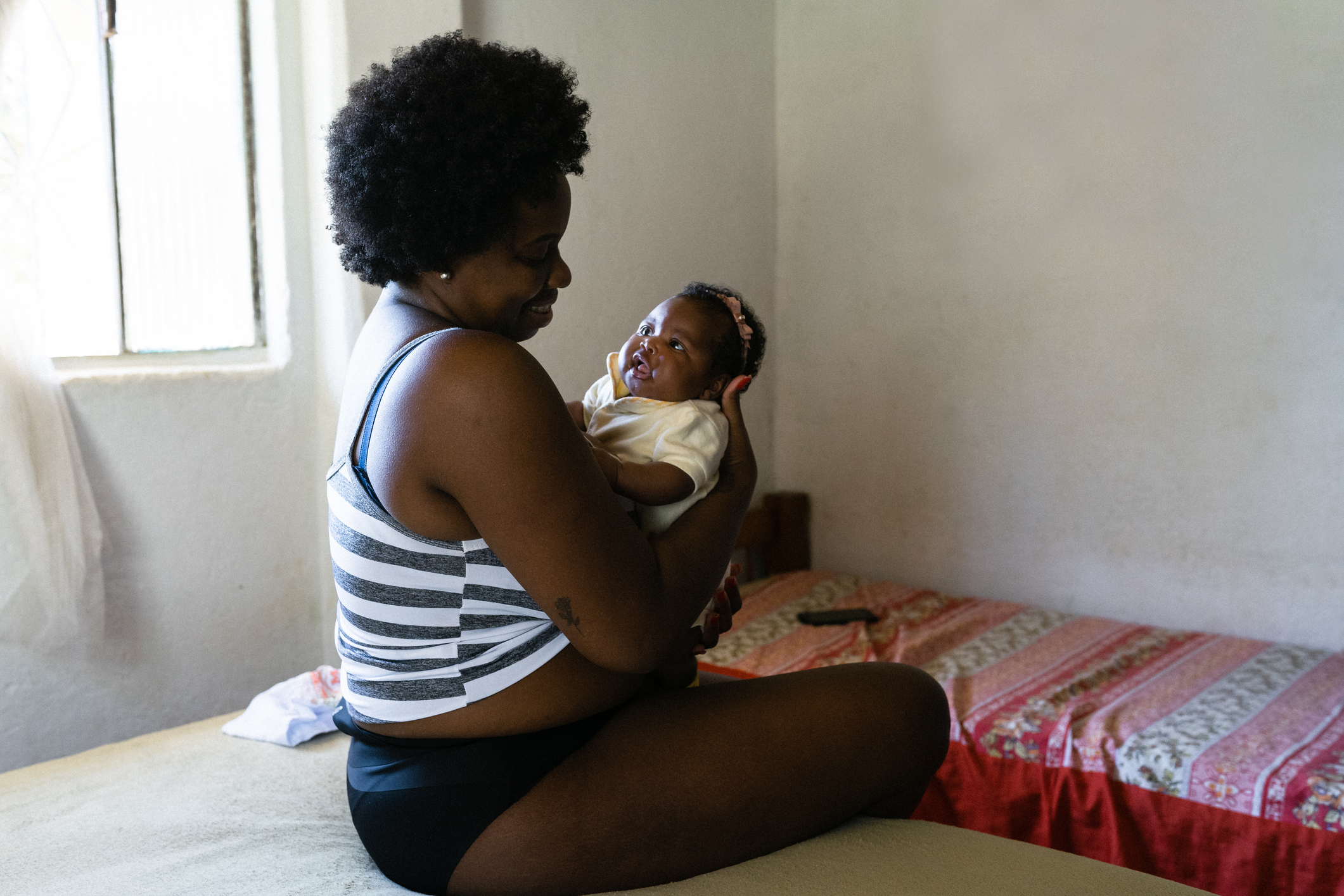
Although the prevalence of postpartum anemia is common—as high as 50% in high-income countries and 80% in low- and middle-income countries—no universal definition or standard of care exist for postpartum anemia. Since approximately 45% of Nigerian women are anemic postpartum, mostly due to iron deficiency, researchers compared the effectiveness and safety of a single dose of intravenous ferric carboxymaltose (20 mg/kg) compared to oral ferrous sulphate (65 mg; twice a day for six weeks) in a multicenter, parallel, open-labeled randomized controlled trial among postpartum women with moderate-to-severe anemia in Nigeria. During the trial, 1400 women (mean age, 29 years; 41% first pregnancy) with moderate (97%) to severe (3%) postpartum anemia (hemoglobin <100 g/L) were randomized to receive intravenous (n=701) or oral iron (n=699). After six weeks, 18% of the women in the intravenous arm were anemic (Hb<110 g/L; 115/655) compared to 32% (214/662) in the oral arm, and at six months rates of anemia were still lower in the intravenous arm compared to the oral arm (16% versus 24%, respectively). The proportion of women who needed RBC transfusions to treat anemia were the same in both arms (2%), but fewer women had adverse events with the intravenous iron formula (8%) compared to the oral arm (20%). A single dose of intravenous iron for women with postpartum anemia may be beneficial in low resource areas to improve maternal health.

Reference:

Afolabi B, Adaramoye V, Adeyemo T et al.  Intravenous ferric carboxymaltose versus oral ferrous sulphate for the treatment of moderate-to-severe postpartum anaemia in Nigerian women (IVON-PP): an open-label, randomised controlled trial. The Lancet Global Health 2026 DOI: 10.1016/S2214-109X(26)0001-X                            

Filed Under

  • News
  • RBC Transfusion

Recommended

  • Sutimlimab, a Monoclonal Antibody, to Treat Cold Agglutinin Disease

  • Nipocalimab Delays Intrauterine Transfusions for Severe Hemolytic Disease of the Fetus and Newborn

  • Recombinant Erythropoietin for Patients with Autoimmune Hemolytic Anemia

Show Comments

Reader Interactions

Leave a Reply Cancel reply

Your email address will not be published. Required fields are marked *

Get the latest news. Subscribe to our mailing list. Sign Up

Primary Sidebar

Latest News

  • Intravenous Iron More Effective than Oral to Treat Anemia in Postpartum Women

  • Prehospital Whole Blood is Not Superior to Blood Components for Trauma Patients

  • Running Ultra-Long Distances Induces Inflammatory and Oxidative Stress Changes in RBCs

  • Tranexamic Acid for Patients with Hematological Disorders

    Question of the Day

    Copyright © 2026 John Wiley & Sons, Inc. All Rights Reserved.
    Privacy Policy

    Association for the Advancement of Blood and Biotherapies Wiley