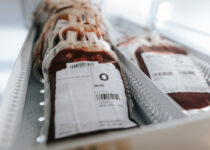
Pre-Hospital Resuscitation with Low-Titer Type O Whole Blood for Trauma Patients Low-titer whole blood is increasingly used during prehospital transfusions for both military and civilian trauma patients because the logistics of… May 26, 2026
Double-knotting Blood Storage Bag Tubing Reduces Contamination To prevent bacterial contamination during storage, blood storage bags must be airtight and secure. In high-income settings, blood bags use… May 20, 2026
Costs of Type & Screen and Crossmatch Laboratory Tests for RBCs Higher in U.S. Compared to U.K. Few studies have explored the cost of typing and matching RBCs for transfusions. To understand the cost of the ABO… May 14, 2026
Donor, Storage, and Processing Characteristics Associated with Platelet Transfusion Outcomes Platelet transfusions are critical to many patients such as those with thrombocytopenia, bleeding patients, and patients at risk of bleeding…. May 5, 2026