
• Skip to main content
  • Skip to primary sidebar
Transfusion News
  • About Us
  • Topics
    • Adverse Events (non-infectious)
    • Blood Donation
    • Cell Therapy
    • Coagulation & Plasma Transfusion
    • Platelet Transfusion
    • Policy and Guidelines
    • Quality Control and Regulatory
    • RBC Transfusion
    • Serology/Genotyping
    • Special Transfusion Situations
    • Transfusion Transmitted Infections
  • Continuing Education
  • Archives
  • Podcasts
  • Question of the Day
  • Search
  • Subscribe to Email Alerts
  • Follow us on
  • Search
  • Subscribe to Email Alerts

Hypoxic Storage Helps to Preserve Red Blood Cells

November 22, 2022

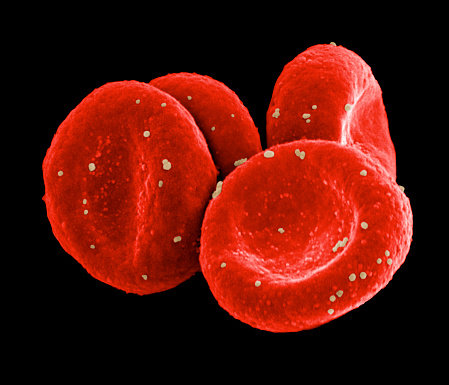
Red blood cells (RBCs) may be stored for up to 42 days, but over time storage lesions also develop.  These storage lesions affect the efficiency of oxygen unloading from RBCs into the tissues, which may in turn impact the efficacy of transfusions.  Recent real-world data have linked longer storage times of RBCs to increased mortality.  Paradoxically, RBCs stored under hypoxic conditions without oxygen have been shown to preserve oxygen unloading and slow biochemical degradation.  By using a specially designed microfluidic chamber to store RBCs in hypoxic conditions, researchers compared the kinetics of oxygen unloading from RBCs stored in standard and hypoxic conditions over 49 days.  The oxygen-handling properties of RBCs stored under hypoxic conditions were improved through 35 days of storage, but by day 49, no differences were observed compared to standard storage conditions.  Based on proteomic analyses, the benefits of hypoxic storage were unrelated to post-translational modifications of hemoglobin or other proteins implicated in gas handling.  Further research is needed to identify the specific metabolites involved in preserving oxygen unloading and the ideal storage conditions for RBCs.

Reference:

Rabcuka J, Blonski S, Meli A, Sowemimo-Coker S, et al.  Metabolic reprogramming under hypoxic storage preserves faster oxygen unloading from stored red blood cells.  Blood Advances 2022; 6 (18); 5415-5428

Filed Under

  • News
  • RBC Transfusion

Recommended

  • Delayed Hemolytic Transfusion Reactions are Under Diagnosed in Patients with Sickle Cell Disease

  • Transfusions and Hospital IV Injections Likely Contributed to the Spread of HIV and Other Blood-borne Viruses in Africa

  • VIDEO: Monthly Erythropoiesis-Stimulating Agent May be Effective in Treating Anemia among Chronic Kidney Disease Patients

Show Comments

Comments on this article are closed.

Get the latest news. Subscribe to our mailing list. Sign Up

Primary Sidebar

Latest News

  • Gene Editing of HBG1 and HBG2 Promotors to Treat β-Thalassemia and Sickle Cell Disease

  • Jehovah’s Witness Governing Body Allows Autologous Transfusions

  • RBC Exchange Transfusion for Patients with Severe Babesiosis

  • Oropouche Virus RNA Detected in Blood Donors in Brazil

    Question of the Day

    Copyright © 2026 John Wiley & Sons, Inc. All Rights Reserved.
    Privacy Policy

    Association for the Advancement of Blood and Biotherapies Wiley