
• Skip to main content
  • Skip to primary sidebar
Transfusion News
  • About Us
  • Topics
    • Adverse Events (non-infectious)
    • Blood Donation
    • Cell Therapy
    • Coagulation & Plasma Transfusion
    • Platelet Transfusion
    • Policy and Guidelines
    • Quality Control and Regulatory
    • RBC Transfusion
    • Serology/Genotyping
    • Special Transfusion Situations
    • Transfusion Transmitted Infections
  • Continuing Education
  • Archives
  • Podcasts
  • Question of the Day
  • Search
  • Subscribe to Email Alerts
  • Follow us on
  • Search
  • Subscribe to Email Alerts

Donor Age, Sex, and Hemoglobin Levels Associated with RBC Transfusion Effectiveness in Very Low Birth Weight Infants

August 16, 2023

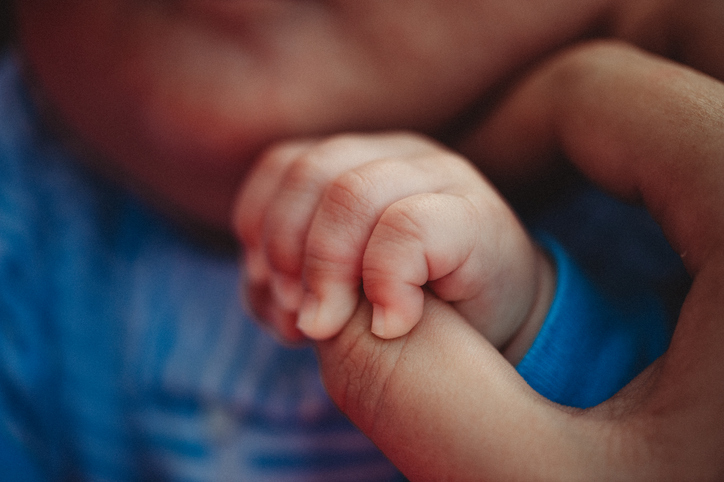
About half of very low birth weight (VLBW) infants (<1500 g at birth) require blood transfusions to manage anemia.  To better understand how to improve RBC transfusion efficacy and reduce their transfusion burden, researchers conducted a retrospective cohort study using the Recipient Epidemiology Donor Evaluation Study III (REDS III) database.  The study examined the associations of donor, component, and recipient factors on transfusion effectiveness following one or more single RBC transfusions in 254 VLBW infants (median birth weight, 860 g; median gestational age, 25 weeks; 40% female).  Although variability was limited for component characteristics (e.g., median storage duration, 11 days; IQR, 8-16), component characteristics did not affect post-transfusion hemoglobin increments.  Lower post-transfusion hemoglobin increments from RBC units were associated with female donors (-0.24 g/dL, p=0.04) and any donor <25 years of age as compared to donors >46 years of age (-0.57 g/dL, p=0.02).  In addition, VLBW infants transfused with RBC units from male donors with reduced hemoglobin were associated with increased need for another transfusion (odds ratio, 3.0; 95% C.I., 1.3 to 6.7).  Further studies are needed to explore the mechanistic aspects of these findings.

Reference:

DeSimone RA, Plimier C, Goel R, Hendrickson JE, Josephson CD, Patel RM, et al. Associations of donor, component, and recipient factors on hemoglobin increments following red blood cell transfusion in very low birth weight infants. Transfusion. 2023

Filed Under

  • CME
  • News
  • RBC Transfusion

Recommended

  • Motivators and Barriers to Donating Blood Among African Americans

  • Frequent Platelet Donors at Risk for Lymphopenia

  • Improved Assay Methods Needed for Fetomateral Hemorrhage

Show Comments

Comments on this article are closed.

Get the latest news. Subscribe to our mailing list. Sign Up

Primary Sidebar

Latest News

  • Gene Editing of HBG1 and HBG2 Promotors to Treat β-Thalassemia and Sickle Cell Disease

  • Jehovah’s Witness Governing Body Allows Autologous Transfusions

  • RBC Exchange Transfusion for Patients with Severe Babesiosis

  • Oropouche Virus RNA Detected in Blood Donors in Brazil

    Question of the Day

    Copyright © 2026 John Wiley & Sons, Inc. All Rights Reserved.
    Privacy Policy

    Association for the Advancement of Blood and Biotherapies Wiley